
Beef Tallow
This post may contain affiliate links. Please read my disclosure policy.
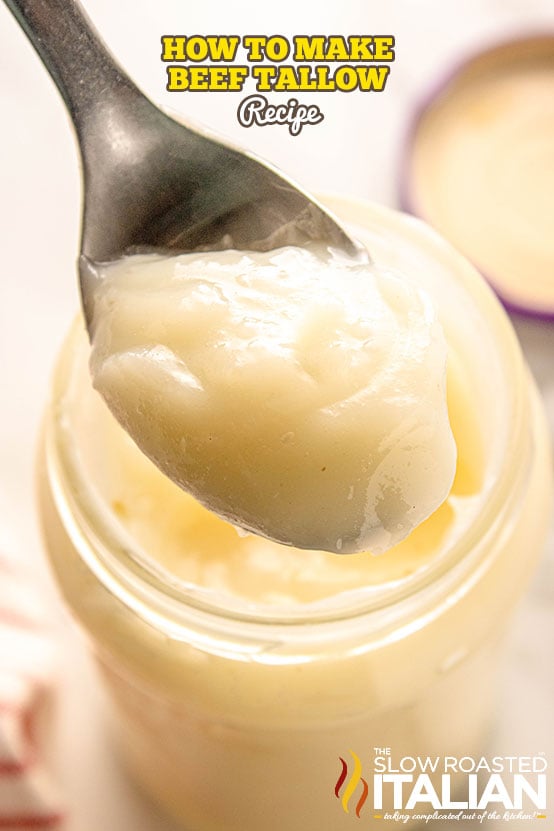
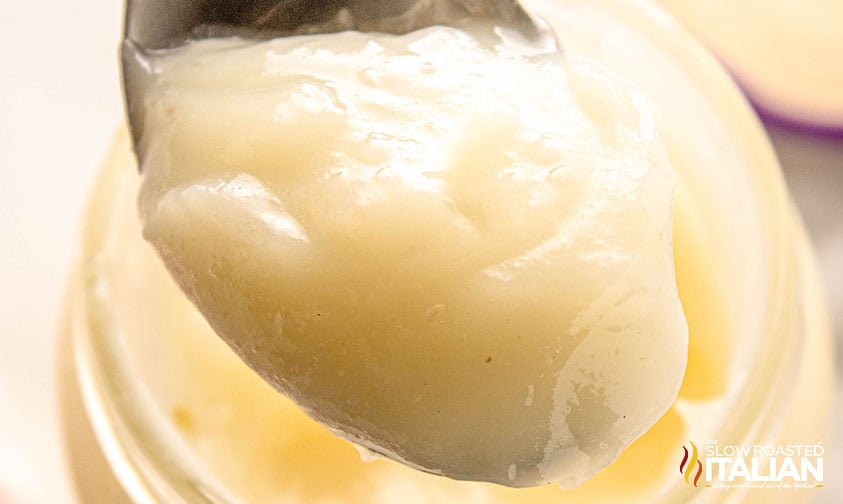
Pure, silky, old-school fat… the kind that smells rich, clean, and deeply savory once it’s finished. This slow cooker Beef Tallow renders down into a smooth, golden liquid that cools into a snow-white, scoopable solid. It’s luxurious without being fancy, sturdy without being greasy, and incredibly satisfying to make. There’s something grounding about turning raw beef fat into a clean, shelf-stable cooking fat that feels both ancestral and wildly practical.
WHY YOU’LL LOVE COOKING WITH BEEF TALLOW
- Hands-off, low-effort rendering
- Clean, neutral flavor when done right
- Shelf- and freezer-friendly
- Cheaper than store-bought tallow
- Incredibly versatile in the kitchen
Beef Tallow
Learning how to make beef tallow is one of those things that sounds intimidating until you actually do it.
And then you realize… it’s just patience.
You trim the fat. You put it in the slow cooker. You let time and low heat do what they’ve always done.
There’s no rushing it, no fixing it later if you scorch it, and no reason to crank the heat because you’re in a hurry.
I love this process because it feels honest. Nothing fancy. Nothing hidden. Just turning something humble into something useful.
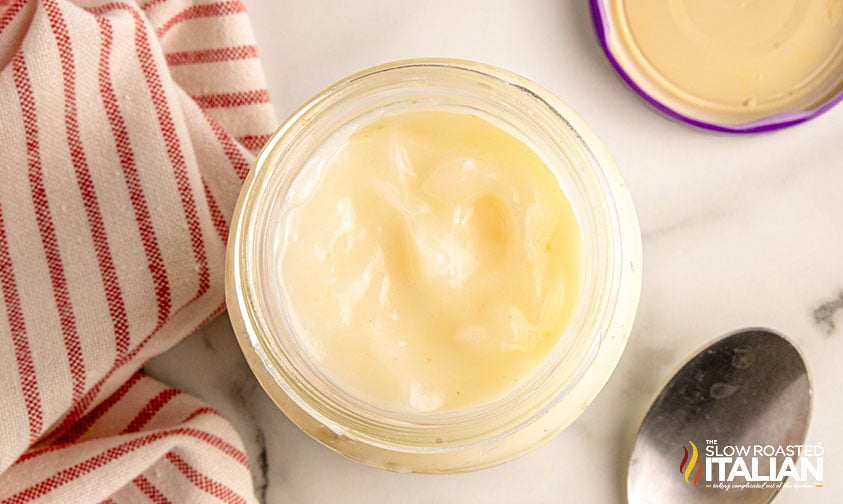
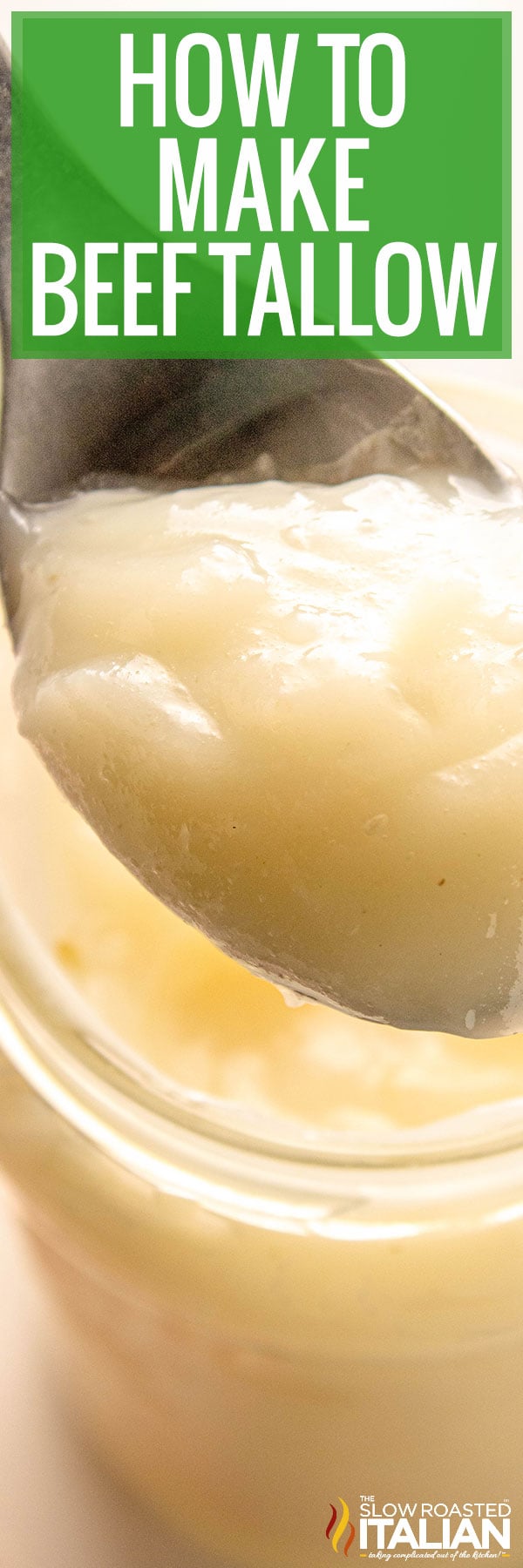
When it’s done and cooled, and you see that clean white tallow set up in the jar, it feels like you actually made something.
And you did!
And the best part? Now you can use your homemade beef tallow to make my Beef Tallow French Fries!
INGREDIENT NOTES
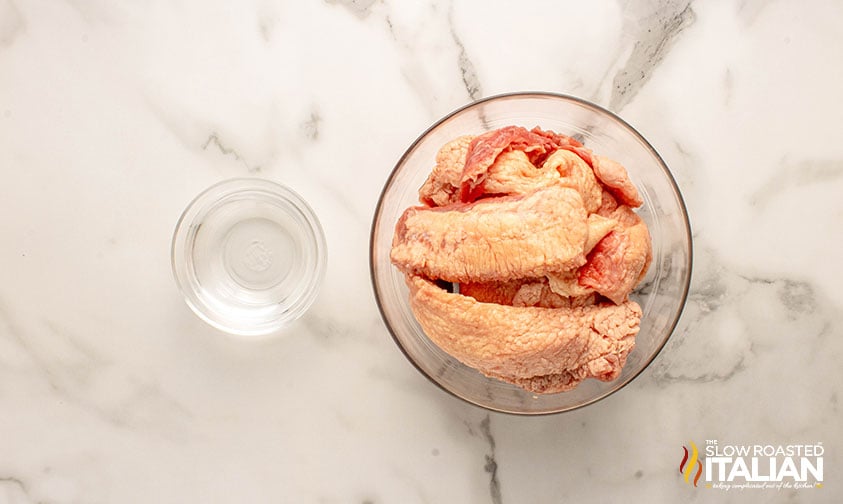
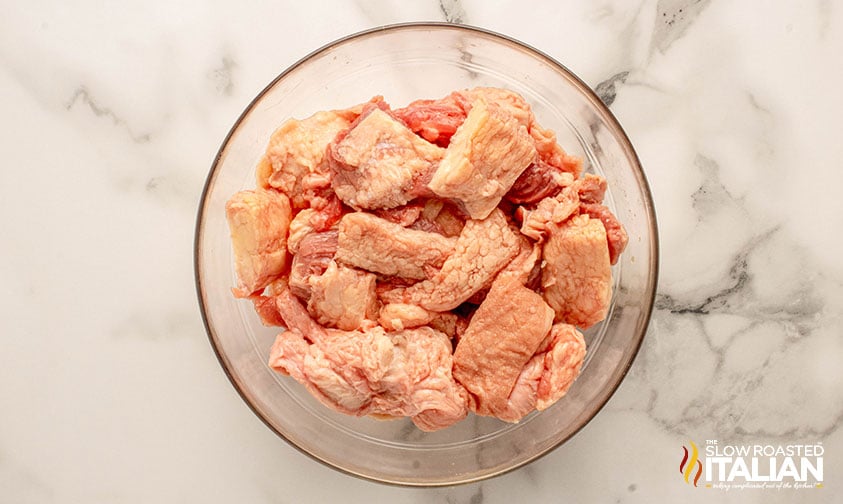
- Raw Beef Fat: Suet or clean brisket trimmings work best. Pale and fresh matters. Ask your local butcher!
Many will give fat trimmings or suet for free or very cheap if you ask. Just make sure it’s clean and fresh. - Water: Just enough to prevent early scorching. Don’t worry, it cooks off.
- Nothing Else: This is intentional. Good beef tallow doesn’t need help.
VARIATIONS
Double-Strained: For extra white, ultra-clean tallow.
Garlic Tallow: Infuse fresh garlic later when cooking with beef tallow, not during rendering.
Beef Dripping Style: Stop rendering a little early for more flavor.
Small Batch: Halve the recipe. The timing stays similar.
Freezer Blocks: Freeze beef tallow in silicone molds or soup cubes for easy portions.
SERVING SUGGESTIONS
- Perfect for roasting potatoes or vegetables.
- Use in place of oil for savory baking, including biscuits and pie dough.
- Fry eggs or hash in beef tallow for a country-style breakfast.
- Get an extra good sear on steaks and burgers.
- Make the best French fries you’ve ever had in your life!
- A great swap for oil, shortening, or lard in just about any savory recipe.
BEEF TALLOW FOR COOKING FAQ
It may have scorched, but it likely still contains impurities. Keep the heat on Low and strain well for the cleanest, most neutral result.
No. High heat scorches the fat and ruins the flavor of beef tallow for cooking.
That’s normal when the tallow is still warm. It will turn white as it cools and solidifies.
If it’s fully rendered and moisture-free, it’s fine at room temperature for 1 to 2 months. It keeps longer when chilled, though. Up to 3 months in the fridge or up to 1 year in the freezer.
Those are called cracklings: fully rendered connective tissue and solids. You’re fine to discard them, but they can also be used anywhere you’d add some crispy bacon pieces. Give them a quick fry so they aren’t quite as greasy.
The process of rendering tallow is all about fat separation and moisture control.
Raw beef fat contains water, connective tissue, and fat solids. Low, steady heat melts the triglycerides without burning them, allowing the fat to separate cleanly from everything else.
The added water acts as a temperature buffer early on, preventing scorching until enough liquid fat is released.
As rendering continues, moisture evaporates and proteins brown and sink. Straining removes those solids, leaving behind pure fat.
As it cools, the saturated fats crystallize, turning the liquid clear gold into a solid white block.
If beef tallow is clean, it’s shelf-stable. If it’s scorched, you’ll know immediately.
This is slow cooking at its most literal… and most rewarding.
DONNA’S PRO TIPS
- Trim aggressively. Even the smallest pieces of meat will cause off flavors.
- Cut fat into small chunks for even rendering.
- Prepare in a well-ventilated area. The aroma is quite strong!
- Keep the lid on the slow cooker to control splatter.
- Stir gently, but not constantly. You want the cracklings to settle at the bottom.
- Strain twice for the cleanest result. Use fresh cheesecloth for the second round.
- Let tallow cool uncovered to avoid condensation. Moisture will cause it to spoil.
TOOLS NEEDED
- Slow Cooker: Low heat is critical when rendering beef tallow for cooking.
- Sharp Knife or Grinder: Smaller pieces render more evenly.
- Fine-Mesh Strainer: Catches cracklings when straining.
- Cheesecloth: For ultra-clean tallow.
- Heatproof Bowl + Glass Jar: For safe handling and storage.
Enjoy!
With love, from our simple kitchen to yours.
Don’t miss a thing! Follow us on
Facebook | Twitter | Pinterest | Instagram
TL;DR (Too Long, Didn’t Read) THE QUICK VERSION
- Low heat is non-negotiable
- Clean fat makes clean tallow
- Water prevents early scorching
- Slow rendering separates fat properly
- Strain well for neutral flavor
- Solid white = success
- Cheap, versatile, and worth it
Slow Cooker Beef Tallow
Ingredients
- 1 pound raw beef fat, suet or beef trimmings, cut into small pieces or ground
- 1/4 cup water
Instructions
- PREP FAT: Trim away any visible meat, blood spots, or dark pieces from the beef fat. Cut the fat into 1 to 2-inch chunks or grind it. The fat should look clean and pale.
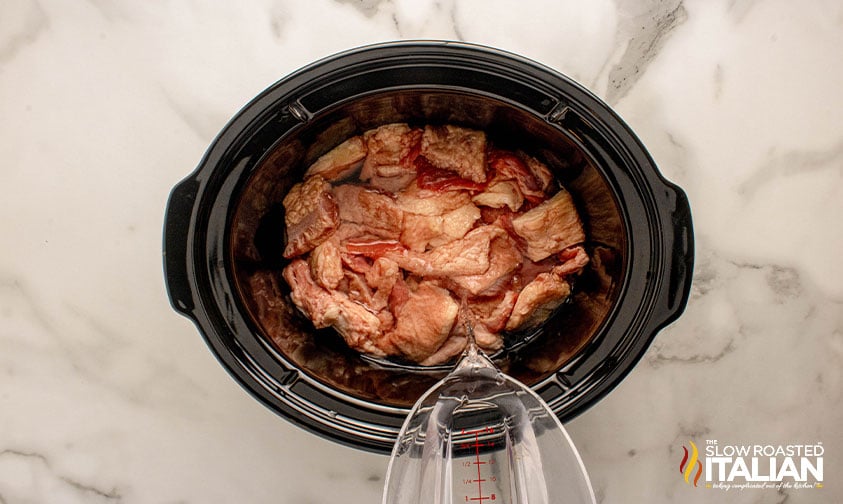
- LOAD SLOW COOKER: Add the prepared 1 pound raw beef fat to the slow cooker. Pour in 1/4 cup water to prevent scorching during the first stage of cooking.
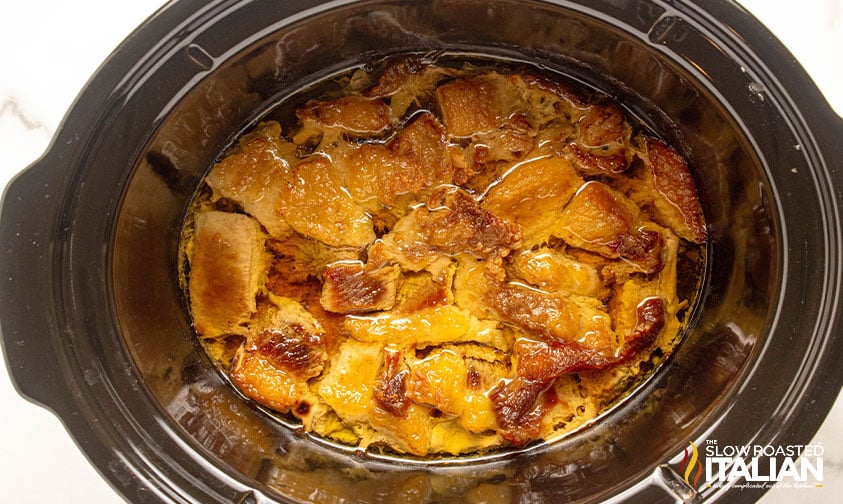
- RENDER: Cover and cook on LOW for 6 to 8 hours. Stir every 1 to 2 hours. At first, the fat will look cloudy and chunky. As it renders, you will see clear, golden liquid forming and hear a gentle bubbling sound.
- CHECK DONENESS: The tallow is ready when most of the solid fat has melted and the liquid looks clear and golden. You will see browned cracklings settled at the bottom.
- STRAIN: Carefully pour the hot liquid fat through a fine-mesh strainer lined with cheesecloth into a heatproof bowl. For extra-clear tallow, strain a second time through fresh cheesecloth.
- JAR AND COOL: Pour the strained liquid into a clean glass jar. Let cool uncovered at room temperature for 1 to 2 hours. As it cools, the tallow will turn solid and white. Once fully cooled, cover with a lid.
Donna’s Notes
Room Temperature: 1 to 2 months, only if fully rendered and moisture-free. Refrigerator: Up to 3 months. Freezer: Up to 1 year. Beginner Tip: Keep the slow cooker on LOW only. High heat can scorch the fat and give the tallow a burnt flavor. Ingredient Note: Fresh, clean fat renders the best-tasting tallow. Brisket trimmings, suet, or butcher scraps all work well. Odor Note: Rendering fat has a strong aroma. Ventilate the kitchen or use a garage or covered porch if possible.
Nutrition
All nutritional information is based on third party calculations and is only an estimate. Each recipe’s nutritional value will vary depending on the ingredients used, measuring methods, and portion sizes.
Originally published February 2026
Disclosure: Posts may contain affiliate links. If you purchase a product through an affiliate link your price will remain the same and The Slow Roasted Italian will automatically receive a small commission. Thank you for supporting us, it helps us keep creating new recipes.


Welcome!
We’re Donna and Chad, the dream team behind The Slow Roasted Italian. Our focus is on taking complicated OUT of the kitchen. Life is busy enough, making meals should be fast and easy, to help make your life as simple as possible. Read More >>